
Geyser Installation
in Rustenburg
Geyser installation in Rustenburg is a decision about electricity as much as hot water. Element size, a timer, solar or a heat pump each behave differently when the power goes, and some still need a CoC. If only a part has failed, start with geyser repair.
Request a call-out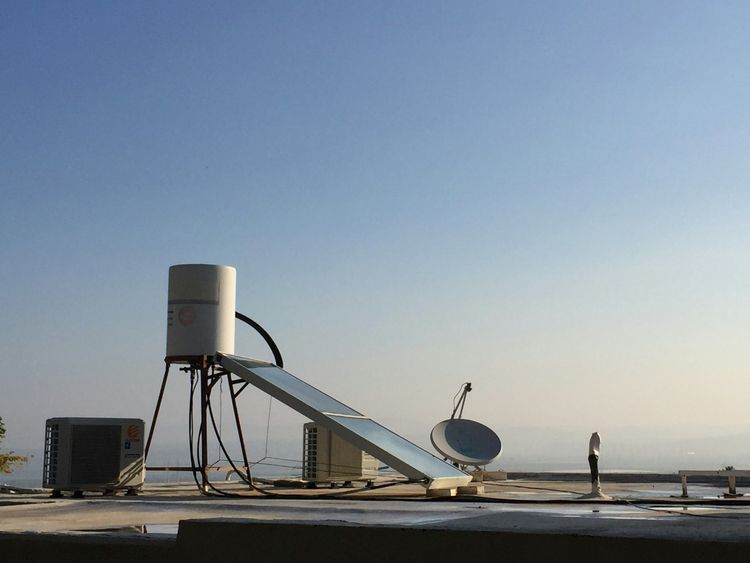
Ask for a geyser quote
Say what you need. A plumber phones you back to arrange a look and a written quote.
A new geyser is a set of decisions, not one
Each of these is a separate line on the written quote.
-
Replacing a burst geyser
A new electric geyser in the same spot, with the old valves and drip tray checked before any of them is reused.
-
Solar geyser installation
A collector and tank on the roof, with an electric element as backup for cloudy spells. A solar geyser still needs a CoC under SANS 10106.
-
Heat pump installation
A unit that draws heat from the surrounding air into the water, using far less electricity than an element. Heat pumps also still need a CoC.
-
Element size and a timer
A lower-rated element draws less power at once, and a timer heats the water when you choose. Both make an electric geyser easier to live with when supply is unreliable.
-
Valves, vacuum breakers and drip tray
A pressure control valve, vacuum breakers, a drip tray piped to outside and an electrical isolator: the parts a compliant installation needs.
-
Moving the geyser
Out of the ceiling to an outside wall, or to a better spot in the roof. If it has to move, the new pipe runs are priced first.
Rustenburg's power network should shape the geyser you choose
In February 2025, Rustenburg Local Municipality issued a media advisory about widespread power outages "throughout the Town". It said the municipality was "required and expected to implement stage 6 loadshedding", and that vandalism and illegal connections "continue to be a huge challenge". The Rustenburg Herald named outages that month in Boitekong, Zinniaville and Rustenburg North.
The repair bill is the municipality's own figure. In the 2025/26 Budget Speech it put the cost "to give our electricity system the thumbs up" at R967 million, with R85 million needed to upgrade the Industries substation alone. An opposition statement in May 2024 said hundreds of mini substations and power boxes across Rustenburg had been vandalised.
A geyser is one of the biggest electrical loads in a house, so it is worth choosing with that network in mind. A well-insulated electric geyser on a timer can be heated while the power is on and still give hot water through an outage. A solar geyser heats from the sun and uses its element only as a backup. A heat pump makes the same hot water with far less electricity, which also makes it easier to carry on a home backup system.
The paperwork differs as well. On 24 June 2022 the requirement for a certificate of compliance (CoC) on electric geysers was removed from SANS 10254, the PIRB reported. Solar geysers still need one under SANS 10106, and heat pumps under SANS 1352. Insurers, municipalities and manufacturers often still ask for a CoC, even on an electric geyser.
Whichever you choose, the installation follows SANS 10254, with a drip tray piped to outside, vacuum breakers, a pressure control valve and an electrical isolator. Each is shown to you, or photographed, before the ceiling hatch is closed. If your insurer, the municipality or the geyser's maker wants a CoC, find out before the job is booked, and agree in writing who issues it and when you receive it.
Decide how you want hot water during an outage before you pick the geyser, and ask your insurer in writing whether it wants a CoC. Those two answers narrow the choice to one or two options.
Checked before a new geyser is signed off
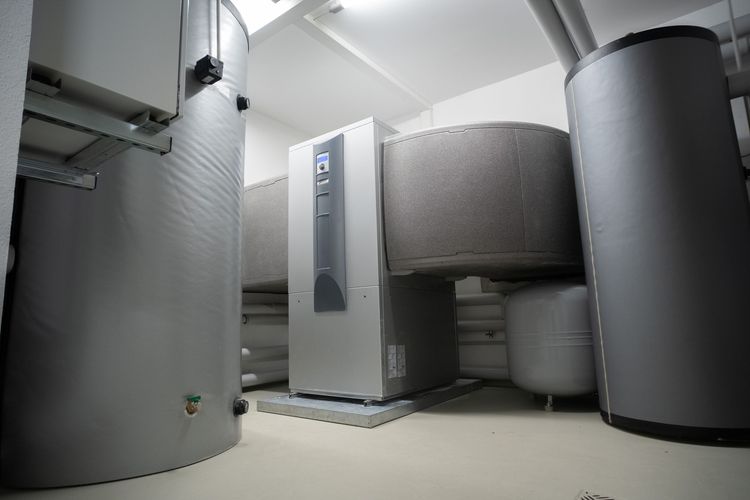
Most complaints about geyser replacements start with something hidden in the roof. These keep it in view.
Every part on the quote
The geyser, valves, drip tray, pipework, labour and removal of the old unit each get their own line. You see the total before anything is ordered.
Compliance you can see
The tray drain, vacuum breakers, pressure control valve and isolator are photographed in place. Those photos come with the invoice.
Serial numbers recorded
The serial numbers and ratings of the old and new geysers go on the invoice, which is what an insurer asks for after a burst.
Moved only with your yes
A geyser is not moved to the roof or an outside wall without your written agreement. If its current spot cannot be made compliant, you are told why and shown the options.
How a geyser installation works
You send the form. A plumber phones, looks, and then quotes before anything is bought.
What you do
- Send the call-out form
Say whether it is a burst, a planned replacement, solar or a heat pump.
- Check with your insurer
If it is a claim, get a claim number and ask whether they want a CoC or a plumber's report.
- Clear the way
Make the ceiling hatch or roof access reachable, and know where your distribution board is.
What the plumber does
- Look at the site
The existing geyser, its position, the electrics and, for solar, the roof's direction and strength.
- Quote the options
Written prices for what fits your house, with the CoC position for each.
- Drain and remove
Power off, water off, the old geyser drained and disconnected, and its serial number recorded.
- Install to SANS 10254
Geyser, drip tray piped outside, vacuum breakers, pressure control valve and isolator.
- Fill, heat and hand over
Filled, checked for leaks and switched on, then shown to you with an itemised invoice and photos.
Questions about a new geyser in Rustenburg
Something not covered? Put it in the call-back form and ask it on the phone.
How much does it cost to install a new 150 litre geyser in South Africa?
Expect a total in the region of R8,500 to R14,000, going by what people report. In 2022, MyBroadband members reported around R9,500 for a 150 litre replacement and about R8,500 for another installed geyser, and a 2026 Rustenburg guide on okhantu.co.za puts a 200 litre electric geyser fitted with a CoC at R8,000 to R14,000. Procompare's Rustenburg page lists geyser installation at R2,500 to R2,900 without saying whether the geyser is included. Your price is written down part by part before anything is ordered; more figures are on plumbing prices.
Do you need a CoC for a geyser installation?
Not for an electric geyser under the current standard: the CoC requirement was removed from SANS 10254 on 24 June 2022, the PIRB reported that October. A solar geyser still needs one under SANS 10106, and so does a heat pump. Insurers, municipalities and geyser makers often still ask for a CoC, so check with yours before the job is booked and agree who issues it.
What size geyser do I need for a family of four?
It depends less on the number of people than on how the house uses hot water: how many showers run back to back, whether anyone baths, and how many bathrooms there are. Those questions are asked before a size is quoted. If power cuts are a worry, a larger cylinder on a timer stores more hot water for the hours when the element is off.
How long does it take to install a new geyser?
A straight swap in the same position usually takes a few hours of work, and then the water needs time to heat. Moving the geyser, or fitting solar or a heat pump, takes longer because of new pipe runs, roof work or electrics. The time your job needs is on the quote.
Can my geyser be moved from the ceiling to an outside wall?
Usually, yes. It needs new hot and cold pipe runs and a new electrical feed, so it costs more than a swap: one MyBroadband member reported R13,500 for a new geyser on an outside wall in 2022, paid by the insurer. The geyser and its fittings must suit an outside position, and the move is agreed with you before any pipe is cut.
Where must the drip tray drain to, and why does it matter?
To the outside of the building, through its own pipe, which must fall all the way from the tray to the outside wall. A tray with no working drain only holds a leak until it overflows into the ceiling. A drain that ends outside shows you the leak as a drip on the wall, long before the ceiling sags.
What voids a geyser warranty?
The maker sets the conditions, so read the warranty card that comes with your geyser. Claims are commonly turned down when the installation does not follow SANS 10254 or the maker's instructions, for example a missing pressure control valve, no vacuum breakers or a drip tray that cannot drain. Keep the invoice and the installation photos with the warranty card.
Is solar, a heat pump or a plain electric geyser the better buy in Rustenburg?
It depends on how long you plan to stay, the roof you have and how much hot water you want during power cuts. Electric costs least to install, while solar and heat pumps cost more upfront and use far less electricity afterwards; one MyBroadband member was quoted about R25,000 for solar in 2024. Both of those still need a CoC. If your home already runs on gas, a gas geyser installation is another route, and the quote can price two options side by side.
Ask for a call back
Leave your number and the best time to reach you. A plumber phones, asks what is happening and books the visit.
Call-back request
Where we work
Every suburb of Rustenburg and the villages and mining towns around it.
- Rustenburg CBD
- East End (Oos-Einde)
- Rustenburg North
- Zinniaville
- Karlienpark
- Geelhoutpark
- Protea Park
- Safari Gardens
- Cashan
- Boschdal
- Waterfall East
- Azalea Park
- Waterkloof
- Tlhabane
- Tlhabane West
- Boitekong
- Meriting
- Seraleng
- Paardekraal
- Sunrise Park
- Freedom Park
- Kanana
- Phokeng
- Luka
- Kroondal
- Photsaneng
- Mfidikwe
- Marikana
- Bethanie
- Olifantsnek
Not on the list? Put your area in the form and we will tell you straight if it is too far.