
Leak Detection
in Rustenburg
Leak detection in Rustenburg starts with your water meter and a pressure test, not a hammer. The leak is located before anything is opened, and the size of any opening is agreed with you first. For a pool that keeps dropping, see pool leak detection.
Request a call-out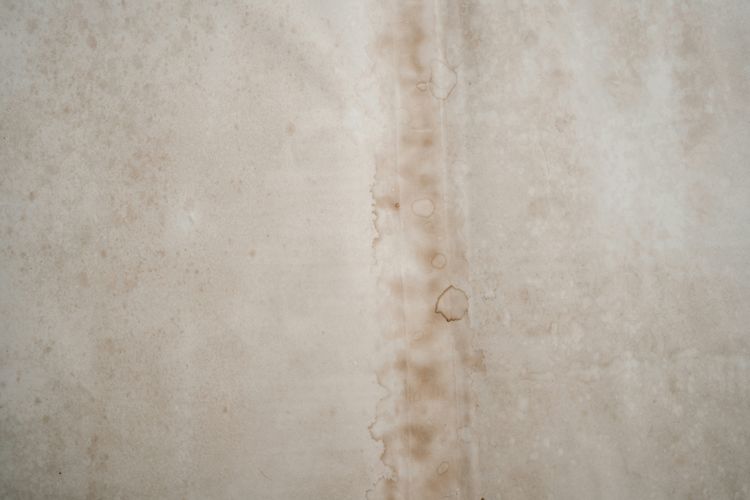
Report a hidden leak
Tell us what you noticed and where. A plumber calls you back to arrange the test.
Where hidden leaks usually turn up
A high bill says water is going somewhere. These are the usual places, and each one has its own test.
-
The supply line under the garden
The pipe from the meter to the house. A strip of lawn that stays green in dry weather, or a meter that turns with the house stopcock closed, points here.
-
Pipes under the floor slab
Damp skirting, lifting tiles or a warm patch on the floor. The line is isolated and pressure-tested before a single tile comes up.
-
Pipes inside a wall
Bubbling paint, a tide mark, or a stain that grows after a shower. Traced to one spot, then opened at the size agreed with you.
-
A cistern that never stops
A worn seal lets water trickle into the pan day and night. Put food colouring in the cistern: colour in the pan without a flush means it leaks.
-
The geyser and its pipes
A weeping valve, a fitting in the roof, or a drip tray that is never dry. Faults in the geyser itself go to geyser repair.
-
Joints that keep weeping
Pressure higher than the pipes were built for works joints loose over time. The valve that controls it is covered under water pressure repairs.
Over half of Rustenburg's water goes unbilled, so meters get checked
Rustenburg's IDP Review 2026/27 puts non-revenue water at 51.7% for the 2024/25 financial year. Non-revenue water is water the municipality buys or treats that never ends up on a paid bill: burst mains, leaks, theft and meters that under-read all count. The municipality's War on Leaks campaign went after "pipe bursts, leaks, stolen meters, and faulty meters" in Greater Boitekong, Lethabong, Meriting, Tlhabane and other areas.
The meters are part of that work. In the national No Drop 2023 assessment, Rustenburg was one of seven water authorities in the country to score 100% on meter management, which means more than 10% of consumer meters were repaired or replaced. The 2025/26 IDP also describes telemetry that tracks "consumption, flow rates, and pressure" across the network. A working meter counts every litre that passes it, including the litres leaking out of a pipe under your floor.
So when a bill jumps and nothing in the house has changed, test for a leak before you dispute the reading. A hidden leak on your side of the meter is usually in one of a few places: a pipe under the slab, a supply line in a wall, the line from the meter to the house, or a cistern running into the pan. A slow leak can run for months before a damp patch shows, and the meter counts all of it.
The meter test takes a few minutes and costs nothing. Close every tap inside and outside, make sure no cistern is filling, and switch off irrigation and any automatic pool top-up. Read the meter, then watch the small fast dial or the last red digits, or check the reading again after an hour without using water. If it moves while everything is shut, water is leaving somewhere on your side.
Next, close the stopcock where the supply enters the house and watch the meter again. If it stops, the leak is inside the house; if it keeps turning, it is in the line between the meter and the house. That one step halves the search before anyone lifts a tile. From there the leak is pinned down by isolating sections, pressure-testing each one and listening along the line, so the opening can be agreed with you before anything is broken.
Read the meter with every tap closed. If it moves, the leak is on your side, and finding it should start with a test, not a hammer.
Found first, opened second
Leak work goes wrong when the search starts with a hammer. These four rules are there to stop that.
Located before opened
No wall, floor or paving is opened to look for a leak. It is opened only after testing has narrowed the leak to one spot.
The opening agreed first
You are shown where the opening will be and how big, and told what making good involves, before a tool touches it.
A price you hear early
The call-out fee and what it buys are said out loud on the phone, before a van leaves. The repair is quoted in writing once the leak is found.
Proof for your insurer
Photos of the leak, the meter readings before and after, and an invoice that names the fault and every part used.
How a leak detection call-out works
You will not find a phone number here. Send the form and the plumber phones you to book the test.
What you do
- Send the call-out form
Say what made you suspect a leak: the bill, the meter, a damp patch or a sound.
- Do the meter test if you can
Close every tap, read the meter and check it again after an hour. Tell the plumber what you saw when they phone.
- Clear the meter and stopcock
Make sure the meter box and the house stopcock can be reached, and move anything stored against a damp wall.
What the plumber does
- Read the meter
Everything closed, then the meter watched, to confirm water is leaving and roughly how fast.
- Split the system
The house stopcock is closed to tell an underground supply leak from one inside the house.
- Narrow it down
Sections are isolated and pressure-tested, and the line is listened along, until the leak is pinned to one spot.
- Agree the opening
You see where it will be opened and how big, with a written price for the repair, before anything is broken.
- Repair and re-test
The pipe is fixed, the line tested again under pressure, the meter read once more and the invoice itemised.
What Rustenburg homeowners ask about hidden leaks
If your question is not here, write it in the call-back form. The plumber covers it on the phone.
How much does leak detection cost in South Africa?
Market figures put it at roughly R1,200 to R2,800 including the repair: that is the range in the Kandua price guide (July 2026), and Rustenburg job requests on Procompare carried an estimate of R1,500 for water leak detection in 2026. A leak under a slab or along a long underground line takes longer to pin down than a running cistern. The call-out fee is told to you when the plumber phones, and the repair is priced in writing once the leak is found. There is more on plumbing prices.
Why is my water bill so high when I can't see a leak?
Usually because water is leaving where you cannot see it: a pipe under the floor, a supply line under the lawn, or a cistern trickling into the pan. Check the bill first, because a reading that was estimated rather than read can produce a catch-up jump. Then close every tap and watch the meter. If it moves, the water is going somewhere on your side and it is being counted.
How do I know if I have a water leak underground?
Close the stopcock where the pipe enters the house, turn off the garden taps and irrigation, and watch the meter. If it still moves, the leak is between the meter and the house, which usually means underground. Other signs are a patch of lawn that stays green or soggy in dry weather, paving that sinks, or the sound of running water near the meter box. The line is then pressure-tested and narrowed down before any digging.
Will you have to break my tiles or dig up my paving to find the leak?
Not to find it. The leak is located first, by isolating sections, pressure-testing them and listening along the line, and only then is anything opened. The repair usually needs some opening, but it is made at the spot the tests point to, at a size agreed with you beforehand. You are told before work starts what making good involves and who does it.
Is a leak between the meter and my house my problem or the municipality's?
Usually yours. The meter is the normal dividing line: the pipe from the street to the meter, and the meter itself, are the municipality's to repair, and everything after it on your property is yours. A leak at the meter or in the street should be reported to Rustenburg Local Municipality. A leak in the pipe from the meter to the house is a job for a plumber, and it runs up your bill until it is fixed.
Does home insurance cover leak detection?
Sometimes, and it depends on your policy. Some policies pay to find a leak and to repair the damage it caused, but not to replace the worn pipe itself, and many set a limit. Ask your insurer or broker before the work starts and get a claim number. Either way, you get photos of the leak, the meter readings and an invoice that names the fault and each part.
Can you find a leak inside a wall or under tiles?
In most cases, yes, without opening anything first. The pipes that run to that wall or floor are isolated and pressure-tested one at a time, which shows which line is leaking, and the damp pattern and the sound narrow down where. A hot water pipe leaking under tiles often shows as a warm patch on the floor. The opening is then kept to the spot and size agreed with you.
How do I check my water meter for a leak myself?
Shut off all water use, write down the reading, and look again an hour later. Before you start, close every tap inside and out, check that no toilet is filling, and switch off irrigation or an automatic pool top-up. If the reading has changed, water is escaping somewhere after the meter. Repeat it with the house stopcock closed to tell a leak in the house from one underground.
Ask for a call back
Leave your number and the best time to reach you. A plumber phones, asks what is happening and books the visit.
Call-back request
Where we work
Every suburb of Rustenburg and the villages and mining towns around it.
- Rustenburg CBD
- East End (Oos-Einde)
- Rustenburg North
- Zinniaville
- Karlienpark
- Geelhoutpark
- Protea Park
- Safari Gardens
- Cashan
- Boschdal
- Waterfall East
- Azalea Park
- Waterkloof
- Tlhabane
- Tlhabane West
- Boitekong
- Meriting
- Seraleng
- Paardekraal
- Sunrise Park
- Freedom Park
- Kanana
- Phokeng
- Luka
- Kroondal
- Photsaneng
- Mfidikwe
- Marikana
- Bethanie
- Olifantsnek
Not on the list? Put your area in the form and we will tell you straight if it is too far.